
Follow RESTED’s progress
RESTED in Numbers
Focus groups
We are interested in people’s insights about their own body clocks, sleep and mental health experiences.
Longitudinal links
We are studying the bi-directional links between depersonalisation-derealisation and other mental health symptoms, sleep and cardiac measures during adolescence and young adulthood to better understand their relationship.

ALSPAC dataset
We are analysing the Avon Longitudinal Study of Parents and Children (ALSPAC), otherwise known as the “children of the 90s” dataset.

Tracking study
We are collecting new data on mental wellbeing, sleep and heart rate from young adults over the course of four weeks.
Modelling links
We are modelling the links between sleep, cardiac measures and mental health to understand which parameters carry the most weight in their relationships.
Mathematical models
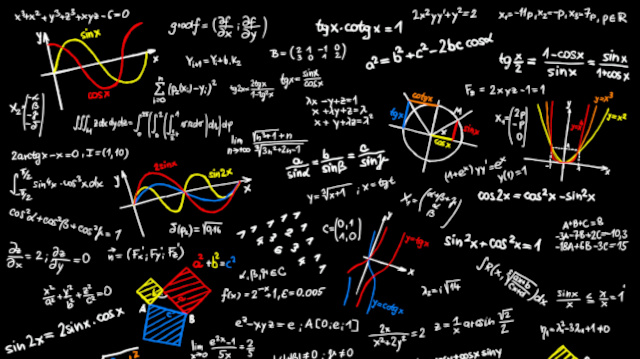
For both ALSPAC data (sampled every few years) and the data from our tracking study (sampled every day), we are modelling the bi-directional links from sleep and heart rate to wellbeing and from wellbeing to sleep and heart rate at different granularities (years in ALSPAC and days in tracking).
Sleep phase detection
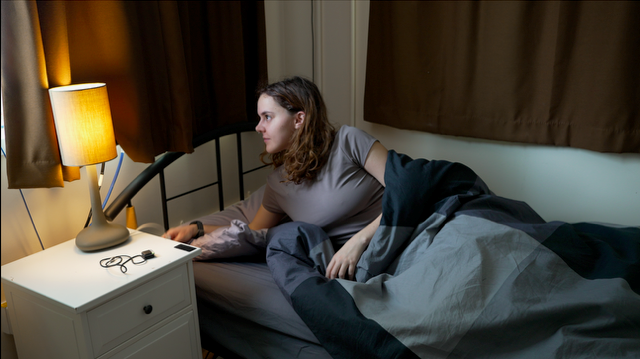
We will use machine learning algorithms to work out sleep stages (e.g., deep sleep, rapid eye movement sleep) from a combination of actigraphy (movement detected by health trackers) and heart rate data. To ensure maximim accuracy, we will train our algorithm against data obtained at our Essex Sleep Lab.
Daylight saving time, sleep and health
Spring clock change
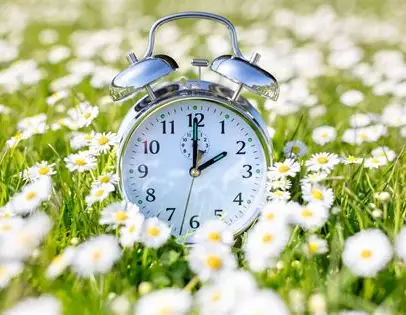
British Summer Time (BST) was established by the Summer Time Act of 1916. It involves advancing clocks by one hour at 1 a.m. on the last Sunday in March, taken an hour off your sleep.
Read this article to learn more about the effects of shifting external time on our internal body clocks.
Autumn clock change
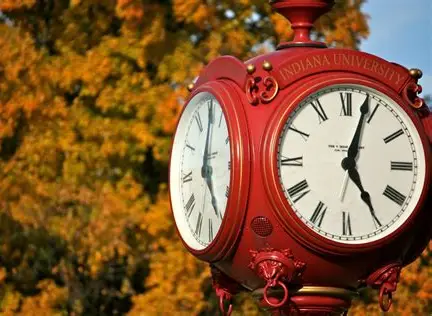
In the early hours (2 a.m.) of the last Sunday in October, the clocks are set back by one hour, to return to Greenwich Mean Time (GMT). This gives you an extra hour of sleep. Read this article to learn more about the effects of shifting external time on our internal body clocks.